Category: Uncategorized

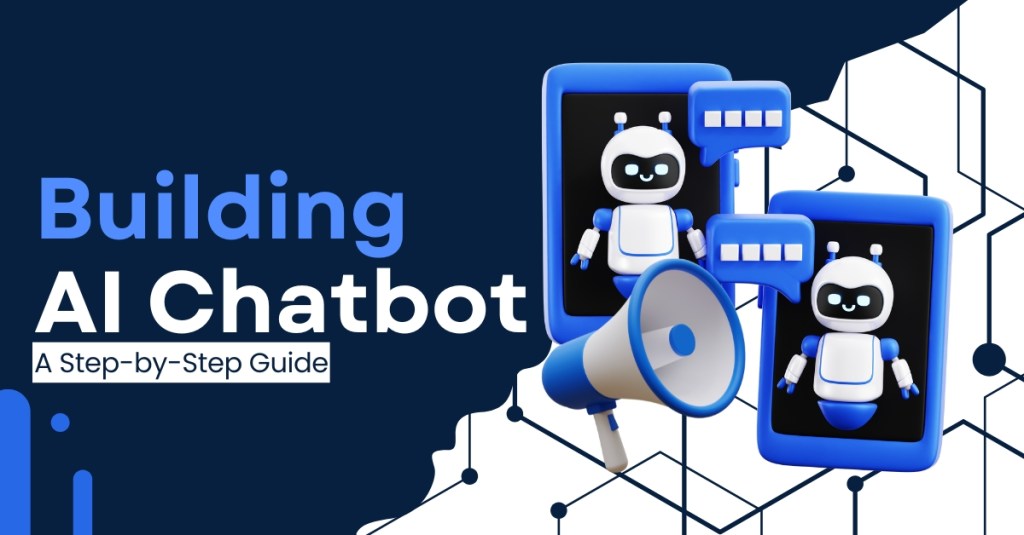
  • AI-Powered Chatbots: How They Work & How to Build One

    AI-powered chatbots are transforming how businesses interact with customers. These intelligent virtual assistants handle inquiries, provide support, and automate repetitive tasks, improving efficiency and customer satisfaction. Whether answering FAQs, processing orders, or troubleshooting issues, they streamline communication and reduce operational costs.

    Unlike traditional rule-based bots, AI-driven chatbots understand context, learn from interactions, and generate more natural responses. They use advanced technologies like Natural Language Processing (NLP), Machine Learning (ML), and Large Language Models (LLMs) to mimic human-like conversations. As a result, they can engage users in meaningful discussions rather than delivering rigid, pre-scripted replies.

    Building an AI chatbot requires a strategic approach. From defining its purpose to selecting the right technology stack, each step impacts its effectiveness. Businesses must ensure their chatbot aligns with user needs, integrates seamlessly with existing platforms, and continuously improves based on real-world interactions.

    This article explores how AI-powered chatbots function and provides a step-by-step guide on building one. Understanding these aspects will help businesses leverage AI chatbots for improved customer engagement and operational efficiency.

    How AI-Powered Chatbots Work?

    AI-powered chatbots operate through a combination of Natural Language Processing (NLP), Machine Learning (ML), and predefined conversational flows. These technologies allow chatbots to interpret user inputs, determine intent, and generate relevant responses. Unlike simple rule-based chatbots, AI-driven models analyze language patterns, learn from interactions, and adapt over time for improved accuracy.

    Core Technologies Behind AI Chatbots

    Natural Language Processing (NLP)

    NLP enables chatbots to break down and understand human language. It processes user input by analyzing sentence structure, identifying key phrases, and detecting intent. This helps the chatbot recognize variations in how questions are phrased, ensuring more accurate responses.

    Machine Learning (ML)

    ML allows chatbots to improve with experience. By learning from past interactions, they refine their responses and adapt to different communication styles. Over time, chatbots become better at predicting user needs and offering relevant solutions.

    Large Language Models (LLMs)

    Advanced chatbots leverage LLMs, such as GPT-based models, to generate human-like responses. These models use vast datasets to predict and construct natural-sounding replies, making conversations feel more intuitive and engaging.

    Key Components of AI Chatbots

    • Intent Recognition – Identifies what the user wants to achieve based on their message.
    • Entities & Context Awareness – Extracts specific details like dates, locations, or product names to refine responses.
    • Response Generation – Uses AI models or pre-defined templates to construct meaningful answers.
    • Memory & Learning Capabilities – Retains past interactions to maintain conversation flow and personalize responses.

    How Chatbots Process and Respond to User Inputs?

    The chatbot’s workflow follows a structured process:

    • User Input Processing: The chatbot receives a message and runs it through NLP algorithms to understand the words, context, and intent.
    • Intent & Entity Detection: It determines the user’s goal and extracts relevant information, such as names, dates, or preferences.
    • Generating a Response: Based on the intent and available data, the chatbot selects or constructs an appropriate response. This could be a pre-configured reply, a dynamically generated message, or an action like booking an appointment.
    • Continuous Learning & Optimization: Feedback from conversations helps refine the chatbot’s accuracy. It learns from interactions, improving its ability to understand and respond effectively over time.

    AI chatbots operate behind the scenes, streamlining interactions and automating responses with minimal human intervention. By integrating advanced AI models, businesses can enhance customer engagement and efficiency across multiple communication channels.

    How to Build an AI-Powered Chatbot?

    Developing an AI-powered chatbot involves multiple steps, from defining its purpose to training it for real-world interactions. A well-designed chatbot enhances communication, automates responses, and improves customer engagement. To achieve these outcomes, every stage of the development process must align with business needs and user expectations.

    Step 1: Define the Chatbot’s Purpose and Core Functionality

    Every chatbot must have a well-defined role. Understanding its primary function helps shape the development strategy. Some chatbots handle customer inquiries, while others assist with transaction processing, lead generation, or internal workflow automation. Identifying key use cases ensures that the chatbot is designed to solve real problems efficiently.

    A customer support chatbot should be equipped to answer frequently asked questions, troubleshoot common issues, and escalate complex queries to human agents. A conversational assistant for e-commerce platforms may need capabilities such as personalized product recommendations, cart management, and order tracking.

    Once the chatbot’s primary function is clear, outlining user expectations becomes the next priority. Users interact with chatbots expecting quick, relevant, and human-like responses. Defining the chatbot’s purpose with these factors in mind ensures its success.

    Step 2: Select the Right Development Approach and AI Model

    There are different development methods for creating an AI chatbot, and the choice depends on factors such as customization requirements, technical expertise, and business goals.

    • Pre-built AI chatbot platforms provide ready-to-use models that require minimal coding. These platforms include AI tools like Dialogflow, IBM Watson Assistant, and Microsoft Bot Framework. They come with integrated AI capabilities, making them suitable for businesses looking for quick deployment.
    • Custom-built AI chatbots offer full control over the chatbot’s features and behavior. They require programming knowledge and involve working with frameworks such as Rasa, OpenAI’s GPT-based APIs, and TensorFlow. This approach is ideal for businesses that need advanced customization and deep learning capabilities.

    Regardless of the approach, selecting an AI model with robust Natural Language Processing (NLP), Machine Learning (ML), and Large Language Model (LLM) integration ensures accurate language comprehension and response generation.

    Step 3: Design an Intuitive and Adaptive Conversation Flow

    A well-structured conversation flow makes interactions smooth and natural. Mapping out potential user journeys helps anticipate different types of queries. Conversation flow design includes:

    • Identifying user intents such as booking appointments, answering product inquiries, or providing troubleshooting assistance.
    • Extracting entities like dates, locations, or product names to refine chatbot responses.
    • Structuring context-aware conversations to maintain continuity and relevance throughout the interaction.

    Designing fallback mechanisms ensures the chatbot handles unexpected inputs gracefully. If it cannot understand a question, it should prompt users for clarification or offer relevant options instead of returning a generic error message.

    Step 4: Train the AI Chatbot with High-Quality Data

    An AI chatbot learns from interactions, making training a crucial step. It requires a diverse dataset covering multiple ways users might phrase their queries. Training the AI-based chatbot involves:

    • Feeding it large sets of sample conversations to improve accuracy.
    • Implementing supervised learning techniques where human feedback refines chatbot responses.
    • Continuously updating its knowledge base with new data and real-world interactions.

    Using a combination of structured and unstructured data helps improve the chatbot’s ability to understand and generate responses that feel natural. The more diverse its training data, the better it becomes at handling complex queries.

    Step 5: Ensure Seamless Integration with Digital Platforms

    A chatbot is most effective when it is accessible across multiple communication channels. Integrating the chatbot with websites, mobile applications, and social media platforms allows users to engage with it in their preferred environment.

    Common integration points include:

    • Customer support portals where the chatbot assists with common inquiries.
    • E-commerce websites where it guides users through the shopping process.
    • Messaging applications like WhatsApp and Facebook Messenger, enabling real-time assistance.
    • Enterprise systems where it automates internal processes such as HR queries and IT support.

    Proper integration ensures the chatbot can pull relevant data from connected systems, such as retrieving past orders for a customer or checking real-time inventory availability.

    Step 6: Test for Performance and Optimize for Accuracy

    Before deployment, the chatbot must undergo rigorous testing to ensure it functions correctly in real-world scenarios. The testing phase of AI Chatbot development includes:

    • Evaluating response accuracy by running test queries and measuring how well the chatbot understands different phrasings.
    • Identifying edge cases where responses may need refinement.
    • Checking for seamless transitions between automated responses and human agent handovers when required.

    User feedback plays a significant role in improving Artificial Intelligence-based chatbot performance. Monitoring live interactions helps identify areas where adjustments are needed. Continuous training and fine-tuning ensure the chatbot remains effective over time.

    Step 7: Deploy, Monitor, and Improve Over Time

    Once the AI-powered chatbot is deployed, regular monitoring ensures it operates efficiently. Businesses track its performance by analyzing:

    • User engagement metrics such as interaction frequency and completion rates.
    • Response accuracy and sentiment analysis to determine if users find the chatbot helpful.
    • Common failure points where the chatbot struggles to understand queries.

    Improving the chatbot is an ongoing process. New data is continuously fed into the system, refining its ability to process language and provide meaningful interactions.

    A well-trained AI chatbot not only enhances customer experience but also reduces the workload on human teams, allowing businesses to scale their communication efforts without sacrificing quality.

    Conclusion

    AI-powered chatbots have become essential tools for businesses seeking to enhance customer interactions, automate repetitive tasks, and improve efficiency. They rely on advanced technologies such as Natural Language Processing (NLP), Machine Learning (ML), and Large Language Models (LLMs) to process user queries, understand intent, and generate human-like responses.

    Building an effective AI chatbot requires a structured approach. Defining its purpose, selecting the right development framework, designing intuitive conversation flows, and integrating it with existing systems ensures that businesses maximize its potential. Training the chatbot with high-quality data and continuously refining its capabilities improve accuracy and user experience.

    Many businesses collaborate with top AI development companies to create tailored chatbot solutions that align with industry-specific needs. Whether for customer support, sales automation, or internal process optimization, AI chatbots help businesses scale operations without compromising service quality. As artificial intelligence continues to evolve, chatbots will play an even greater role in shaping digital interactions and business communication strategies.

  • How can businesses protect AI models from cyber threats?

    As businesses continue to adopt Artificial Intelligence (AI) models to streamline operations and enhance decision-making, the risks associated with cyber threats targeting these models have become increasingly prominent. AI models, due to their complexity and ability to handle large volumes of data, are prime targets for malicious actors. These threats range from data leaks and model corruption to adversarial attacks, which can severely impact a business’s operations, reputation, and bottom line.

    The growing use of AI in business processes makes it essential for businesses to understand the importance of AI security. Failure to safeguard AI models can result in significant financial loss, legal consequences, and loss of customer trust. As cyber threats become more sophisticated, businesses must implement strong measures to protect their AI models from exploitation and ensure their integrity.

    Understanding AI-Specific Cyber Threats

    AI models, while providing immense value to businesses, are also vulnerable to a variety of cyber threats. These threats exploit weaknesses in AI systems and can lead to significant operational disruptions. Below are some of the key cyber threats specific to AI models:

    Adversarial Attacks

    Adversarial attacks involve manipulating input data to deceive AI models into making incorrect predictions or decisions. By introducing small, imperceptible changes to the input data, attackers can cause AI models to misinterpret the data, leading to flawed outputs. These attacks can have serious consequences, especially in sectors like finance or healthcare, where decision-making accuracy is critical.

    Data Poisoning

    Data poisoning occurs when attackers inject malicious data into the training dataset of an AI model. This corrupts the model’s learning process, leading it to make biased or incorrect decisions. If left undetected, poisoned data can degrade the performance of AI models over time, impacting their reliability and effectiveness.

    Model Inversion & Theft

    Model inversion and theft are attacks aimed at extracting sensitive information from AI models. In model inversion, attackers attempt to infer confidential details from the model’s predictions or outputs. Model theft, on the other hand, involves stealing the model itself, allowing attackers to replicate and use it for unauthorized purposes, which can lead to intellectual property theft.

    Bias & Manipulation

    AI models are not immune to biases that may exist in their training data. Malicious actors can exploit these biases to manipulate AI models for unethical purposes. By exploiting known weaknesses, attackers can influence decision-making processes, often with harmful consequences. This can be particularly problematic in industries where AI models are used to make important decisions, such as hiring, lending, and law enforcement.

    Unauthorized Access & API Abuse

    Weak authentication and security protocols can leave AI services vulnerable to unauthorized access. Attackers may exploit these weaknesses to gain control of AI models, manipulate their behavior, or steal sensitive data. APIs used to integrate AI models with other systems can also be a target for cybercriminals if they are not properly secured.

    Key Strategies to Protect AI Models

    Protecting AI models from cyber threats requires a multi-layered approach that incorporates both proactive and reactive strategies. As businesses increasingly rely on AI for critical decision-making, ensuring the security of AI models has become a fundamental aspect of their overall cybersecurity posture. The following strategies are essential for safeguarding AI systems against potential attacks, preserving their integrity, and maintaining business continuity.

    Secure the AI Training Data

    The security of AI models begins with the integrity of their training data. Malicious actors often target the training datasets to inject corrupted or biased data, which can compromise the model’s performance. To prevent such attacks, businesses should ensure that only trusted and diverse datasets are used in the training process. This reduces the risk of data poisoning, which can skew the model’s decision-making process.

    • Use Trusted, Diverse Datasets: Ensuring that training datasets come from reliable sources and represent diverse scenarios can help reduce biases and vulnerabilities in the model. It’s important to verify that data is accurate, up-to-date, and free from manipulation.
    • Implement Data Integrity Checks and Anomaly Detection: Regular checks for inconsistencies or anomalies in the data can help detect tampering early on. Automated data validation systems can be set up to monitor for unusual patterns that may indicate poisoning attempts.
    • Apply Differential Privacy Techniques: Differential privacy techniques allow businesses to train AI models without exposing sensitive data. By adding noise to the training data, businesses can ensure that the model does not learn or expose private information.

    Strengthen AI Model Security

    Once the training data is secure, the AI model itself must be protected from adversarial attacks and other threats. A strong model security strategy involves enhancing the resilience of the model and safeguarding its parameters and architecture.

    • Use Adversarial Training to Make Models Robust: Adversarial training involves exposing the AI model to adversarial examples during the training process. This helps the model learn to recognize and resist manipulative inputs that may otherwise deceive it. By simulating attack scenarios, businesses can better prepare their AI models to handle real-world threats.
    • Encrypt Model Weights and Sensitive Parameters: Protecting the parameters of an AI model is critical to prevent unauthorized access or manipulation. By encrypting model weights and other sensitive information, businesses can ensure that these critical components remain secure even if an attacker gains access to the system.
    • Regularly Update and Patch AI Models: Just like any other software system, AI models need to be regularly updated and patched to address vulnerabilities. Keeping the model up-to-date with the latest security protocols can prevent exploitation of known weaknesses.

    Access Control & Authentication

    Ensuring that only authorized users and systems can access AI models is a critical aspect of their security. Without robust access control and authentication mechanisms, businesses risk exposing their models to unauthorized use, manipulation, or theft. Strong access controls help mitigate the chances of unauthorized individuals gaining access to sensitive AI models and data.

    • Implement Role-Based Access Control (RBAC): RBAC ensures that access to AI models is granted based on the user’s role within the organization. By defining specific permissions for each role, businesses can minimize the risk of unauthorized access to sensitive data or model configurations. Only those who need access to the model for their work should have it, reducing the risk of human error or malicious intent.
    • Use Multi-Factor Authentication (MFA) for AI Services: Multi-factor authentication adds an extra layer of protection by requiring users to provide more than just a password to access AI services. This could include a combination of passwords, security tokens, or biometrics. Implementing MFA ensures that even if login credentials are compromised, unauthorized access to the AI model remains prevented.
    • Secure API Endpoints with Strong Authentication Protocols: APIs provide the link between AI models and other systems. These endpoints must be properly secured to prevent unauthorized access and data breaches. Using secure protocols such as OAuth or API keys for authentication can significantly reduce the risk of unauthorized API access and exploitation.

    Monitor & Detect Anomalies

    Continuous monitoring and anomaly detection are vital for identifying unusual behavior in AI models and systems. By keeping a close eye on AI model performance and outputs, businesses can quickly spot any irregularities that may indicate a potential cyber attack or system malfunction.

    • Deploy AI-Specific Intrusion Detection Systems: Specialized intrusion detection systems can help monitor AI systems in real-time for signs of suspicious activity. These systems are designed to identify potential threats, such as unauthorized access attempts or unusual interactions with the AI model. AI-specific intrusion detection tools are particularly effective in spotting attacks tailored to exploit the unique vulnerabilities of AI models.
    • Continuously Monitor Model Behavior and Detect Drift: AI models can evolve over time as they process more data, but this also means that their behavior can drift from the intended path. By continuously monitoring the model’s outputs and decision-making patterns, businesses can detect any changes that might indicate tampering or the influence of adversarial attacks. Regular checks help ensure that the AI model is working as expected.
    • Log and Analyze AI Operations for Suspicious Activity: Logging and tracking the interactions and operations of AI models can provide valuable insights into potential threats. By analyzing these logs, businesses can identify patterns that may suggest a cyber threat, such as abnormal request frequencies or unauthorized data access, allowing for timely intervention.

    Ensure AI Explainability & Auditing

    AI models, particularly those used in high-stakes decision-making, need to be transparent and auditable to ensure they operate ethically and securely. By making AI models explainable, businesses can better understand their behavior and detect any potential issues that could arise due to bias, manipulation, or malicious activity. Regular auditing and explainability practices are essential for maintaining AI model integrity and ensuring accountability.

    • Use Explainable AI (XAI) Techniques to Detect Bias and Manipulation: Explainable AI (XAI) techniques provide clarity into how AI models make decisions. This transparency allows businesses to identify any biases or unethical manipulations that could compromise the model’s performance. XAI helps users understand the reasoning behind decisions, making it easier to spot and correct errors or vulnerabilities.
    • Conduct Regular Audits of AI Decision-Making Processes: Regular audits of AI decision-making processes help ensure that the models are performing as expected and that no external manipulation or bias has affected their outcomes. These audits should review the models’ inputs, outputs, and underlying algorithms to identify any anomalies that could signal security issues or unethical behavior.
    • Implement a Governance Framework for AI Security: Establishing a clear governance framework for AI security is crucial to ensure accountability and compliance. This framework should define the roles, responsibilities, and procedures for managing AI models, focusing on security, compliance, and ethical considerations. Regular reviews and updates to the governance framework will help ensure that AI models remain secure and aligned with business objectives.

    Secure AI Infrastructure

    The infrastructure that hosts AI models, including the cloud environments, containers, and hardware, must be secured to protect against cyber threats. Weaknesses in AI infrastructure can expose models to exploitation, manipulation, or theft. Securing AI infrastructure is essential to ensure that the AI models remain functional and resistant to attacks.

    • Use Container Security for AI Deployments: Containers provide a lightweight and flexible way to deploy AI models, but they also introduce new security challenges. To protect AI models, businesses should implement container security best practices, such as using Kubernetes security policies, to ensure that the containers are isolated and protected from potential exploits. Secure containers reduce the risk of unauthorized access and ensure the integrity of AI models.
    • Apply Encryption to AI Communications and Stored Models: Encryption is crucial for securing both data in transit and data at rest. AI models and the data they process should be encrypted to prevent unauthorized access. Whether AI models are deployed in the cloud or on local servers, encryption ensures that sensitive information remains protected from attackers, even if the infrastructure is compromised.
    • Harden Cloud Environments Hosting AI Solutions: Cloud environments are a common platform for hosting AI models. However, they can be vulnerable to cyber threats if not properly configured. To mitigate these risks, businesses should harden their cloud environments by applying security best practices, such as enabling firewalls, restricting access to sensitive data, and using secure network protocols. This will ensure that the cloud infrastructure remains resilient to attacks targeting AI models.

    Regular Penetration Testing & Red Teaming

    Proactive testing and simulation of potential cyber-attacks are essential to identify vulnerabilities in AI models and systems. Penetration testing and red teaming help businesses assess their defenses by simulating real-world attacks. This allows businesses to identify weaknesses in their security posture before a malicious actor can exploit them.

    • Conduct AI-Focused Penetration Testing: AI-specific penetration testing involves simulating attacks that target the unique vulnerabilities of AI models, such as adversarial inputs and data poisoning. By performing penetration tests that mimic realistic threats, businesses can identify and address potential weaknesses in their AI models before they are exploited by malicious actors.
    • Employ Ethical Hackers to Test AI Vulnerabilities: Engaging ethical hackers or penetration testers to evaluate AI systems can provide valuable insights into potential vulnerabilities. These experts use their knowledge of AI-specific threats to uncover flaws in the system that might not be apparent during normal testing processes. Their findings can help businesses strengthen their AI models and avoid costly security breaches.
    • Simulate Adversarial Attacks to Improve Resilience: Adversarial attacks are one of the most common threats to AI models. By simulating these attacks during red teaming exercises, businesses can evaluate how well their AI models handle manipulated data and improve their resilience. Regular simulations help ensure that AI models are better equipped to withstand real-world attacks and continue to function as intended.

    Conclusion

    As businesses increasingly rely on Artificial Intelligence models to drive innovation and streamline operations, safeguarding these models from cyber threats has become paramount. AI models are critical assets, and protecting them from adversarial attacks, data poisoning, and other malicious activities is essential for maintaining operational integrity and trust. The consequences of AI security breaches can be severe, ranging from data leaks to model corruption, which can severely impact business outcomes.

    Adopting best practices such as securing training data, strengthening model security, implementing access controls, and regularly monitoring AI systems will help businesses mitigate risks and protect their AI investments. Additionally, ensuring explainability, auditing processes, and securing the underlying infrastructure further fortifies defenses against evolving threats. Businesses can also gain an added layer of protection by partnering with leading AI development companies to stay ahead of emerging cyber risks and incorporate advanced security measures tailored to their AI systems.

    In the ever-evolving landscape of AI, businesses must remain proactive in maintaining robust security strategies to ensure the integrity and performance of their AI models, ultimately safeguarding their competitive edge and reputation in the market.

  • Managing the Risks of Generative AI

    Generative artificial intelligence is transforming industries with its ability to create text, images, and even code. While this technology offers innovation and efficiency, it also introduces significant risks. Businesses that integrate generative AI into their operations must address these challenges to ensure responsible and secure usage.

    Despite the challenges, generative AI benefits businesses by automating content creation, enhancing customer interactions, streamlining workflows, and generating insights from large datasets. It enables businesses to improve efficiency, reduce costs, and drive innovation across multiple sectors, from marketing and customer support to software development and design.

    From misinformation and ethical concerns to data privacy and regulatory issues, the risks associated with generative AI can have real-world consequences. Managing these risks requires a structured approach that includes transparency, governance, and human oversight. This blog explores the key risks of generative artificial intelligence and outlines best practices for mitigating them effectively.

    Key Risks of Generative AI

    Generative artificial intelligence presents several challenges that businesses must address to ensure responsible use. The following are some of the most critical risks:

    Bias and Ethical Concerns

    Generative artificial intelligence models learn from large datasets that may contain biases. If not properly managed, these biases in AI models can lead to discriminatory outputs, reinforcing stereotypes and unfair decision-making. Businesses must prioritize fairness by implementing bias detection and mitigation strategies.

    Misinformation and Deepfakes

    The ability of gen artificial intelligence to create highly realistic text, images, and videos raises concerns about misinformation. Deepfake technology can be used to manipulate content, creating trust issues in digital communications. Without proper safeguards, misinformation can spread rapidly, leading to reputational and legal risks.

    Data Privacy and Security Risks

    Generative AI often relies on vast amounts of data, which may include sensitive information. If not handled properly, businesses risk exposing private data, violating data protection laws, and facing cybersecurity threats. Implementing strong data security measures is essential to protect user privacy.

    Intellectual Property Issues

    AI-generated content can create challenges related to intellectual property rights. Since generative AI learns from existing data, there is a risk of unintentional plagiarism or unauthorized content reproduction. Businesses must establish guidelines to ensure compliance with copyright and intellectual property laws.

    Compliance and Legal Risks

    As regulatory frameworks for artificial intelligence continue to evolve, businesses must stay updated on legal requirements. Failure to comply with industry regulations and data protection laws can result in legal consequences and financial penalties. Proactive compliance strategies help businesses navigate these complexities effectively.

    Job Displacement

    The automation capabilities of generative artificial intelligence may lead to workforce disruptions. While AI can improve efficiency, it can also replace certain job roles, raising concerns about employment stability. Businesses should focus on workforce reskilling initiatives to balance innovation with job preservation.

    Best Practices for Managing Generative AI Risks

    Effectively managing the risks of Generative Artificial Intelligence (AI) requires a proactive approach that balances innovation with ethical considerations. Businesses can minimize potential threats by implementing the following best practices:

    Ensuring Transparency and Explainability

    Businesses must prioritize transparency by making AI decision-making processes understandable. Clear documentation and explainable AI (XAI) models help users and stakeholders trust the system’s outputs while ensuring accountability.

    Implementing Ethical AI Governance

    A strong artificial intelligence governance framework ensures responsible use of generative AI. Establishing internal policies, ethical guidelines, and review committees can help businesses mitigate risks while aligning AI initiatives with regulatory and ethical standards.

    Human Oversight and Intervention

    Keeping human supervision in the loop is essential to prevent unintended consequences. Businesses should implement monitoring systems where human experts review artificial intelligence-generated content to correct biases, misinformation, or unethical outputs before deployment.

    Robust Data Management

    The quality of AI outputs depends on the data used for training. Businesses should use high-quality, diverse datasets while implementing bias detection tools to reduce discriminatory patterns. Data governance policies should also ensure compliance with privacy regulations.

    Cybersecurity and AI Safety Measures

    To protect against cyber threats and unauthorized access, businesses must implement strong security measures for AI systems. Encryption, secure access controls, and real-time monitoring can help prevent data leaks and adversarial attacks on artificial intelligence models.

    Regulatory Compliance and Legal Safeguards

    As laws surrounding AI continue to evolve, businesses must stay informed about legal requirements and industry regulations. Conducting regular audits, maintaining compliance records, and consulting legal experts can help businesses navigate the complex regulatory landscape.

    Conclusion

    Generative Artificial Intelligence (AI) has the potential to drive business innovation, but it also comes with significant risks. Without proper oversight, businesses may face challenges related to bias, misinformation, data privacy, intellectual property concerns, and regulatory compliance. Managing these risks requires a strategic approach that includes transparency, ethical governance, human oversight, robust data management, and cybersecurity measures.

    Many businesses look to Top Generative AI companies for guidance in implementing artificial intelligence solutions responsibly. As AI regulations continue to evolve, staying informed and adopting best practices will help businesses harness the benefits of generative AI while mitigating potential risks.

  • How to Choose the Right AI Tech Stack for Your Business?

    Selecting the right AI tech stack is essential for businesses looking to implement artificial intelligence successfully. The right combination of AI technologies enables efficiency, scalability, and seamless integration with existing business systems. Without a strategic approach, businesses may face challenges such as high costs, poor performance, or compatibility issues.

    An AI tech stack consists of various technologies, including machine learning frameworks, data processing tools, cloud platforms, and deployment solutions. These elements play a crucial role in AI model development, ensuring businesses achieve accuracy, efficiency, and scalability. Businesses must evaluate their AI goals, technical expertise, and budget constraints before deciding on the best technologies to integrate. Understanding these factors helps businesses choose an AI tech stack that aligns with their needs and supports long-term innovation.

    This blog provides a structured approach to selecting an AI tech stack that meets business requirements. It explores key factors such as compatibility, scalability, security, and cost-effectiveness to help businesses make informed decisions.

    Key Factors in Choosing the Right AI Tech Stack

    Choosing the right AI tech stack requires businesses to evaluate multiple factors, including technical capabilities, integration possibilities, scalability, and cost-effectiveness. The AI tech stack directly impacts performance, efficiency, and long-term sustainability. Businesses must assess how different technologies align with their AI goals and industry-specific requirements to ensure a seamless and future-proof implementation.

    A well-structured AI tech stack includes machine learning frameworks, data processing tools, cloud infrastructure, and security mechanisms. Each component plays a vital role in determining how AI solutions operate and integrate within existing business systems. By carefully analyzing these factors, businesses can select an AI tech stack that supports innovation and enhances operational efficiency while developing an AI model.

    Understanding Business Requirements Before Selecting an AI Tech Stack

    A business must first define its AI objectives before selecting the right technologies. AI solutions can serve different purposes, such as automation, predictive analytics, natural language processing, or image recognition. Identifying the primary goal helps businesses choose an AI tech stack that supports their specific use case.

    Industry-specific needs also influence the selection process. A business in finance may require AI models for fraud detection, while a healthcare provider might focus on medical image analysis. Businesses in healthcare may focus on AI-driven diagnostics, while financial institutions may prioritize fraud detection. These objectives shape the approach to AI model development, impacting data collection, model training, and deployment strategies. Assessing technical expertise, scalability, and budget constraints ensures that businesses invest in an AI tech stack that aligns with their capabilities and long-term vision.

    Selecting the Right Machine Learning Framework for AI Development

    Machine learning frameworks are the foundation of AI development, providing businesses with the tools to train and deploy models. Choosing the right framework depends on the complexity of AI tasks, performance requirements, and ease of implementation. Businesses must evaluate whether they need a deep learning framework like TensorFlow and PyTorch or a traditional machine learning library like Scikit-learn.

    The decision also depends on computing resources and compatibility with existing systems. Cloud-based AI platforms offer scalability and ease of deployment, while on-premises solutions provide greater control over data security. By selecting the right machine learning framework, businesses can ensure that their AI models are efficient, scalable, and aligned with their overall AI strategy.

    Choosing the Best Natural Language Processing (NLP) Tools for AI Applications

    Natural language processing (NLP) tools enable businesses to build AI applications that understand, interpret, and generate human language. Businesses integrating AI-driven chatbots, sentiment analysis, or automated content generation need to select NLP tools that align with their specific requirements. The right NLP tool enhances accuracy, processing speed, and overall efficiency in language-based AI solutions.

    Businesses must assess factors such as language support, model customization capabilities, and scalability when choosing an NLP tool. Popular NLP frameworks like spaCy and NLTK offer robust text-processing capabilities, while OpenAI models provide advanced natural language understanding. Selecting an NLP tool that fits the business’s AI objectives ensures seamless implementation and better user experiences. When developing AI solutions for text analysis, chatbots, or automated translation, businesses need NLP tools that enhance AI model development. Choosing the right NLP framework ensures better accuracy and faster language processing.

    Identifying the Right Computer Vision Technologies for AI-Based Image Processing

    Computer vision technologies allow businesses to analyze images and videos, enabling applications such as facial recognition, object detection, and automated surveillance. Businesses implementing AI-powered image processing must choose tools that align with their accuracy, speed, and real-time processing needs. Selecting the right computer vision technology ensures that AI models operate efficiently in various real-world scenarios.

    OpenCV, YOLO, and Detectron are widely used computer vision frameworks that offer different capabilities. Businesses must consider factors such as model training requirements, computational efficiency, and integration flexibility before finalizing their AI tech stack. A well-chosen computer vision tool enhances automation and decision-making in industries such as security, healthcare, and retail.

    Evaluating Data Storage and Engineering Solutions for AI Workflows

    Efficient data storage and engineering solutions are essential for businesses implementing AI-driven applications. AI models rely on vast amounts of structured and unstructured data, making it crucial to choose a scalable and high-performance storage solution. Businesses must assess whether cloud-based, on-premises, or hybrid storage options align with their AI needs.

    Technologies like BigQuery, Snowflake, and Apache Spark enable businesses to process and manage large datasets efficiently. Factors such as data security, real-time processing, and integration with AI frameworks play a key role in selecting the right storage solution. A well-structured data engineering pipeline ensures smooth AI model training and deployment, enhancing overall performance.

    Ensuring Seamless AI Integration with Existing Business Infrastructure

    AI solutions must integrate smoothly with a business’s existing infrastructure to maximize efficiency and minimize operational disruptions. A well-integrated AI tech stack enhances data flow, reduces latency, and allows businesses to leverage AI insights without overhauling their current systems. Businesses must evaluate API support, compatibility with legacy software, and cloud infrastructure before choosing AI technologies.

    Open-source AI solutions offer flexibility, while proprietary AI platforms provide optimized tools for specific use cases. Businesses must assess the trade-offs between customization, cost, and ease of integration to ensure seamless AI adoption. Selecting the right AI integration strategy allows businesses to scale AI solutions efficiently while maintaining system stability.

    Determining Scalability and Performance Metrics for AI Deployment

    Businesses must ensure that their AI tech stack can handle increasing data volumes, complex computations, and evolving business needs. A scalable AI infrastructure allows businesses to expand their AI capabilities without major system overhauls. The choice between cloud-based and on-premises AI deployment significantly impacts scalability, flexibility, and long-term performance.

    Cloud platforms offer on-demand resources and dynamic scalability, while on-premises solutions provide greater control over data security and latency. Businesses must also evaluate processing power, parallel computing capabilities, and model inference speed to ensure optimal AI performance. Selecting a scalable AI tech stack prevents bottlenecks and supports continuous business growth.

    Implementing Security and Compliance Measures in AI Systems

    Security and compliance are critical factors in AI adoption, especially for businesses handling sensitive data. A robust AI tech stack must include data encryption, access control, and secure model deployment to protect against cyber threats. Ensuring AI security safeguards business data and maintains customer trust.

    Businesses must also comply with industry regulations such as GDPR, HIPAA, and CCPA when implementing AI-driven solutions. Ethical AI practices, including bias detection and explainability, help businesses maintain transparency and avoid regulatory risks. A secure and compliant AI tech stack ensures responsible AI deployment while mitigating security vulnerabilities.

    Choosing the Right Model Training and Deployment Strategies

    Businesses must determine the best approach for training and deploying AI models to ensure efficiency and performance. Model training requires significant computational power, making it essential to choose between cloud-based AI training platforms and on-premises environments. Cloud solutions provide scalability and accessibility, while on-premises deployment offers greater control over data security.

    Containerization tools like Docker and Kubernetes streamline AI model deployment by ensuring consistency across different environments. Businesses must also implement continuous monitoring to track model performance, detect drift, and make necessary adjustments. A well-planned model training and deployment strategy ensures AI solutions remain accurate, scalable, and aligned with business objectives.

    Exploring No-Code and Low-Code AI Development Platforms for Faster Implementation

    No-code and low-code AI platforms simplify AI adoption for businesses with limited technical expertise. These platforms allow businesses to build and deploy AI solutions without requiring extensive programming knowledge, reducing development time and costs. Tools like Google AutoML, DataRobot, and H2O.ai provide pre-built models and automated workflows for faster AI implementation.

    While no-code platforms enhance accessibility, businesses must consider the trade-offs between customization and flexibility. Low-code AI platforms offer more control while maintaining ease of use. Choosing the right platform depends on business requirements, scalability needs, and the level of AI customization required.

    Optimizing AI Workflows with Automated Data Pipelines and MLOps

    Businesses must implement automated data pipelines to streamline data processing and enhance AI model efficiency. A well-structured data pipeline ensures seamless data ingestion, transformation, and storage, reducing manual efforts and minimizing errors. Automated tools like Apache Airflow and Prefect help businesses manage complex workflows, enabling real-time data updates for AI models.

    MLOps (Machine Learning Operations) plays a key role in managing the AI lifecycle, from model development to deployment and monitoring. Businesses integrating MLOps can automate model retraining, track performance metrics, and ensure consistency across environments. A robust AI workflow increases operational efficiency and ensures AI models remain accurate and reliable.

    Calculating AI Tech Stack Costs and Measuring Return on Investment (ROI)

    Investing in an AI tech stack requires businesses to evaluate costs at every stage, from development to deployment and maintenance. Factors such as computing resources, licensing fees, and cloud service costs significantly impact overall expenditure. Businesses must choose cost-effective AI solutions without compromising performance and scalability.

    Measuring ROI is essential to justify AI investments. Businesses should assess AI-driven efficiency improvements, revenue generation, and cost savings to determine the financial impact. AI adoption should align with business objectives, ensuring that the benefits outweigh the initial investment. A well-planned AI tech stack delivers measurable value and long-term business growth.

    Future-Proofing AI Tech Stack for Long-Term Business Growth

    Businesses must ensure that their AI tech stack remains adaptable to future advancements and industry trends. AI technologies evolve rapidly, making it essential to select flexible and modular solutions that allow easy upgrades. Businesses should avoid vendor lock-in by choosing platforms that support interoperability and open standards.

    Emerging AI trends, such as Generative AI, Edge AI, and autonomous AI systems, will shape future innovations. Businesses should continuously evaluate and update their AI tech stack to stay competitive. Future-proofing AI investments ensures sustained business growth and long-term technological relevance.

    Conclusion

    Selecting the right AI tech stack is a strategic decision that directly impacts how businesses implement and scale artificial intelligence. The choice of machine learning frameworks, data storage solutions, cloud platforms, and deployment strategies must align with business objectives, industry needs, and long-term scalability requirements. A well-structured AI tech stack enhances efficiency, optimizes costs, and ensures seamless integration with existing business systems.

    Businesses must also consider factors such as security, compliance, and future adaptability when finalizing their AI tech stack. With AI technology advancing rapidly, staying updated with the latest developments helps businesses remain competitive and innovative. Leading AI development companies provide expertise in building custom AI solutions, allowing businesses to leverage advanced technologies without the complexities of in-house development.

    A well-planned AI tech stack enables businesses to unlock AI’s full potential, whether through automation, data analytics, or intelligent decision-making. By making informed technology choices, businesses can drive long-term growth, enhance operational efficiency, and stay ahead in an AI-driven landscape.

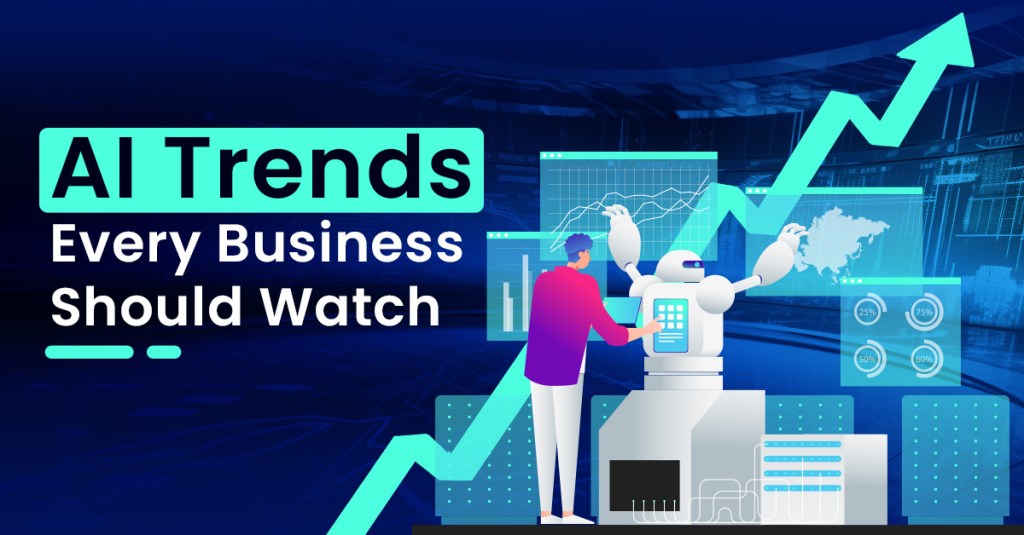
  • Future of AI: What Businesses Should Know

    Artificial Intelligence (AI) is no longer a futuristic concept; it’s a driving force shaping the business landscape today. From automating routine processes to delivering personalized customer experiences, AI has evolved into a transformative tool that no forward-thinking business can ignore.

    As we look to the future, understanding how AI will evolve and influence industries is crucial for staying competitive. Businesses that embrace AI strategically can unlock new opportunities, streamline operations, and deliver unparalleled value to their customers.

    This blog delves into the future of AI and highlights the key aspects every business should know. Whether you’re exploring AI business ideas, seeking to innovate in customer engagement, or preparing for regulatory changes, this guide offers actionable insights to navigate the AI revolution successfully.

    AI’s Expanding Role Across Industries

    Artificial Intelligence is rapidly becoming a cornerstone of innovation across industries. Its ability to process vast amounts of data, automate tasks, and generate insights is reshaping traditional business models and unlocking unprecedented opportunities.

    Mainstream Adoption in Key Industries

    AI is now integral to sectors such as healthcare, retail, finance, and manufacturing. From AI-powered diagnostics in healthcare to predictive analytics in retail, businesses are leveraging AI to improve efficiency and outcomes.

    Driving Innovation in Niche Markets

    Beyond mainstream industries, AI is making strides in specialized areas like agriculture and renewable energy. For example, AI-driven crop monitoring systems are helping farmers optimize yields, while renewable energy companies use AI to enhance grid management and resource allocation.

    Enabling Strategic Growth

    Businesses exploring AI business ideas are discovering new ways to differentiate themselves. Whether through personalized products, automated logistics, or advanced customer engagement strategies, AI is fueling growth and adaptability.

    By embedding AI into their operations, businesses of all sizes can stay ahead of industry trends and remain competitive in a rapidly evolving market.

    Personalized Customer Experiences

    In today’s digital landscape, customers expect more than just good service—they demand experiences tailored to their unique preferences and needs. Artificial Intelligence is redefining how businesses approach personalization, creating opportunities for deeper customer engagement and loyalty.

    Hyper-Personalization

    AI analyzes vast amounts of customer data to deliver personalized recommendations, targeted marketing, and tailored support. For example, e-commerce platforms use AI to suggest products based on browsing and purchase history.

    AI in Customer Acquisition

    Businesses are leveraging AI to identify and connect with potential customers more effectively. By analyzing behavioral patterns and demographics, AI helps craft personalized outreach strategies, improving conversion rates.

    Real-Time Interactions

    AI-powered chatbots and virtual assistants enable instant, 24/7 communication. They provide personalized responses, handle customer inquiries, and even recommend solutions based on individual needs.

    Anticipating Customer Needs

    Predictive analytics powered by AI helps businesses anticipate customer needs before they arise. This allows companies to proactively offer solutions, creating a seamless and satisfying customer journey.

    As AI continues to evolve, businesses that prioritize personalized experiences will stand out in a competitive market. However, responsible data use and customer privacy must remain top priorities to build trust and maintain compliance with regulations.

    Advanced Automation and Efficiency

    Automation has long been a goal for businesses aiming to enhance productivity and reduce costs. With the integration of Artificial Intelligence, automation is reaching new heights, transforming industries and redefining workflows.

    Streamlining Repetitive Tasks

    AI excels at automating routine, time-consuming tasks. For instance, Robotic Process Automation (RPA) powered by AI handles tasks like invoice processing, payroll management, and data entry, freeing employees to focus on strategic initiatives.

    Predictive Maintenance in Operations

    AI-driven predictive analytics identifies potential issues in equipment or processes before they escalate. Industries like manufacturing and logistics benefit significantly from reduced downtime and optimized resource allocation.

    Efficient Resource Management

    AI helps businesses manage resources intelligently by analyzing usage patterns and forecasting demand. This is particularly impactful in sectors such as supply chain management and energy distribution.

    AI is not just about replacing manual processes; it’s about creating smarter workflows that integrate seamlessly into business operations. Companies that adopt AI for automation will achieve greater efficiency, adaptability, and scalability, ensuring a competitive edge in their industries.

    Real-Time, Data-Driven Decision-Making

    In a fast-paced business environment, the ability to make informed decisions quickly can be a game-changer. Artificial Intelligence is transforming decision-making processes by offering real-time insights derived from vast data sets.

    Harnessing Big Data

    AI can analyze enormous volumes of structured and unstructured data in seconds, identifying trends, patterns, and anomalies that humans might miss.

    Predictive Analytics for Strategic Planning

    By forecasting market trends and customer behaviors, AI helps businesses plan more effectively. For instance, retailers use predictive analytics to optimize inventory and anticipate seasonal demand.

    Scenario Testing and Optimization

    AI enables businesses to simulate different scenarios and test strategies before implementation. This approach minimizes risks and ensures optimal outcomes.

    Actionable Insights in Real-Time

    AI-powered tools provide live dashboards and analytics, empowering businesses to act on current data rather than relying on outdated reports.

    By leveraging AI for decision-making, companies can improve agility, reduce risks, and enhance performance. Businesses that incorporate real-time analytics into their operations gain a significant advantage, making better choices faster and staying ahead in competitive markets.

    The Rise of Generative AI

    Generative AI is one of the most exciting advancements in Artificial Intelligence, transforming how businesses create content, solve problems, and innovate. By leveraging advanced models, generative AI empowers organizations to achieve more with fewer resources.

    Revolutionizing Content Creation

    Generative AI tools, such as ChatGPT and DALL•E, are enabling businesses to automate the production of written, visual, and even audio content. This accelerates workflows in marketing, design, and creative projects.

    Enhanced Problem-Solving

    Generative AI models can assist in brainstorming and ideation by providing unique solutions to challenges. For example, AI can suggest innovative product designs or campaign strategies.

    Applications in Coding and Development

    Generative AI is being used to write, debug, and optimize code, making software development faster and more efficient. This capability is particularly valuable for startups and small businesses with limited resources.

    Agentic AI Transformations

    Emerging concepts like Agentic AI, where AI operates with greater autonomy, are reshaping how businesses interact with AI. From autonomous customer service agents to self-improving algorithms, Agentic AI is pushing boundaries.

    Ethical Considerations

    While generative AI offers immense potential, businesses must address ethical concerns such as copyright, data security, and bias. Clear guidelines and responsible use will be crucial for sustainable adoption.

    Generative AI is not just a tool for efficiency—it’s a catalyst for innovation. Businesses that integrate these technologies effectively can stay ahead of the curve, fostering creativity and delivering exceptional value to their customers.

    Preparing for AI Integration

    Integrating Artificial Intelligence into business operations can be a game-changer, but it requires a thoughtful and strategic approach. Proper preparation ensures a smooth transition and maximizes the benefits of AI.

    Start Small and Scale Gradually

    Begin with pilot projects in specific departments or processes to test AI’s impact. For example, implementing AI in customer service or data analysis can offer quick wins and valuable insights.

    Assess AI Readiness

    Evaluate your organization’s current capabilities, including data infrastructure, employee skills, and technology stack. Identifying gaps early will help you build a solid foundation for AI integration.

    Collaborate with Experts

    Partnering with AI development companies can accelerate your journey. These experts can guide implementation, tailor solutions to your needs, and provide ongoing support.

    Focus on High-Impact Areas

    Prioritize AI initiatives that align with your business goals and offer the greatest ROI. For instance, automating repetitive tasks or enhancing decision-making are often excellent starting points.

    Invest in Employee Training

    Equip your workforce with the skills needed to work alongside AI. Training programs and workshops can foster confidence and ease the transition to AI-driven workflows.

    Monitor and Optimize

    Continuously evaluate the performance of AI systems and adjust strategies as needed. Regular monitoring ensures that AI solutions remain aligned with business objectives and deliver maximum value.

    AI integration is not just about technology—it’s about transforming how businesses operate. With the right preparation and strategy, organizations can unlock AI’s full potential and gain a competitive edge in their industries.

    AI and Cybersecurity

    As Artificial Intelligence becomes more integrated into business operations, its role in cybersecurity is growing exponentially. AI is both a powerful tool for enhancing security and a target for emerging cyber threats, making it essential for businesses to adopt robust strategies.

    AI-Driven Threat Detection

    AI excels at identifying unusual patterns and anomalies in vast datasets, enabling real-time detection of cyber threats. For example, AI can flag suspicious activities such as unauthorized access or unusual network behavior.

    Predictive Security Measures

    AI’s ability to predict potential vulnerabilities allows businesses to proactively address risks before they are exploited. This includes identifying weak points in infrastructure or outdated software prone to attacks.

    Automated Incident Response

    AI-powered systems can swiftly respond to cyber incidents, minimizing damage and downtime. Automated actions, such as isolating affected systems or blocking malicious IP addresses, enhance security resilience.

    Safeguarding AI Systems

    As businesses rely more on AI, these systems themselves become targets. Protecting AI models from adversarial attacks, where malicious inputs are designed to manipulate AI behavior, is a critical priority.

    Balancing AI and Human Expertise

    While AI enhances cybersecurity capabilities, human oversight remains essential. Cybersecurity teams must work alongside AI to interpret complex scenarios and make strategic decisions.

    AI is revolutionizing how businesses approach cybersecurity, offering advanced tools to combat evolving threats. By combining AI-powered solutions with proactive strategies, businesses can strengthen their defenses and build trust with customers and stakeholders.

    The Democratization of AI

    Artificial Intelligence is no longer the exclusive domain of tech giants. The democratization of AI is making advanced tools and technologies accessible to businesses of all sizes, paving the way for widespread adoption and innovation.

    Open-Source AI Platforms

    The availability of open-source frameworks like TensorFlow and PyTorch allows businesses to experiment with and deploy AI without substantial financial investment. These tools provide a foundation for developing custom AI solutions.

    No-Code and Low-Code AI Tools

    Platforms requiring minimal technical expertise are empowering non-technical teams to harness AI’s potential. Businesses can quickly integrate AI capabilities like chatbots, sentiment analysis, and predictive analytics into their operations.

    Affordable AI Solutions for SMBs

    As competition increases, AI solutions are becoming more affordable and scalable. Small and medium-sized businesses can now access AI-driven tools for marketing, customer support, and operations, leveling the playing field.

    Education and Training Resources

    Online courses, certifications, and tutorials are making AI knowledge widely available. This enables businesses to build internal expertise and stay competitive in an AI-driven economy.

    Expanding Access to Popular AI Models

    Tools like GPT models and other popular AI models are simplifying complex tasks such as natural language processing, image generation, and predictive analysis, making them accessible to more industries.

    The democratization of AI is unlocking new possibilities for businesses worldwide. By leveraging these accessible tools and resources, companies can innovate faster, improve efficiency, and adapt to the rapidly evolving AI landscape.

    AI-Driven Innovation

    Artificial Intelligence is not just transforming existing processes—it is becoming a catalyst for innovation, enabling businesses to discover new opportunities, create breakthrough solutions, and redefine markets.

    Uncovering New Business Opportunities

    AI’s ability to analyze unstructured data helps businesses identify untapped markets and trends. For example, AI tools can reveal emerging customer needs by analyzing social media sentiment or market data.

    Accelerating Product Development

    AI reduces the time and resources needed for product design and prototyping. By simulating real-world scenarios, AI helps refine ideas faster, enabling businesses to bring innovative products to market quickly.

    Enhancing R&D Efforts

    In industries such as pharmaceuticals and technology, AI accelerates research by processing vast datasets and identifying patterns. This leads to faster discoveries and reduced development costs.

    Personalized Innovations

    AI allows businesses to create tailored products and services that meet individual customer needs. For instance, retailers use AI to design customizable product offerings, enhancing customer satisfaction.

    Driving Creative Solutions

    AI-powered tools like generative AI models encourage out-of-the-box thinking by suggesting ideas, generating designs, or creating unique content. This boosts innovation across creative industries like advertising and media.

    Businesses that prioritize AI-driven innovation will gain a competitive edge by staying ahead of industry trends and customer expectations. By embracing AI as a partner in creativity and problem-solving, companies can unlock unprecedented opportunities for growth and transformation.

    Conclusion

    The future of AI holds immense potential for businesses ready to embrace its transformative capabilities. From personalized customer experiences and advanced automation to sustainability and innovation, AI is redefining how companies operate and compete.

    To succeed in this rapidly evolving landscape, businesses must stay informed about the latest AI trends, invest in upskilling their workforce, and adopt AI tools strategically. Collaboration with AI development companies can streamline the integration process, ensuring solutions are tailored to specific business needs.

    As AI continues to advance, it’s not just about technology—it’s about leveraging it responsibly and creatively to drive growth and innovation. By taking a proactive approach, businesses can navigate challenges, seize opportunities, and position themselves as leaders in the AI-driven economy.

    The journey into AI adoption is a step into the future, where possibilities are limited only by imagination. Businesses that act today will be the pioneers shaping the world of tomorrow.

Design a site like this with WordPress.com
Get started